

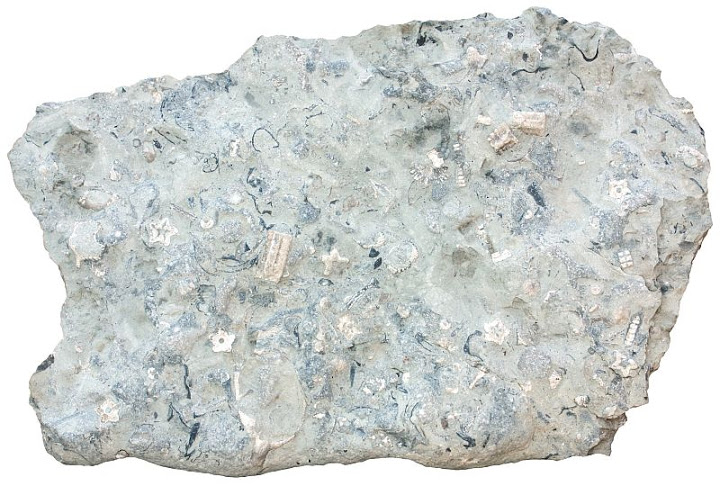
The Vision Behind ECO PAPER
ECO PAPER is an innovative material made mainly from limestone, offering a sustainable alternative to plastic and conventional paper.
Limestone is a sustainable raw material, found in vast reserves worldwide.
It is 100% self-sufficient and virtually inexhaustible, making it a truly sustainable resource.
Limestone: Nature’s Secret to a Greener Future
Petroleum-based resins require energy-intensive processes like crude oil distillation and polymerization, driving CO₂ emissions and climate change. In contrast, ECO PAPER’s calcium carbonate is produced simply by crushing limestone — reducing CO₂ emissions by over 40 times.
Mining and processing limestone is far simpler than extracting petroleum or metals. With abundant reserves worldwide, it offers stable, cost-effective supply and retains its physical properties even under environmental stress.
From Stone to Paper: The Making of ECO PAPER
ECO PAPER is an innovative material made from over 80% calcium carbonate (CaCO₃) sourced from limestone, blended with a small amount of resin. Processed through ECO PAPER’s proprietary heat and pressure treatment, it delivers durable properties ideal for advanced post-processing.
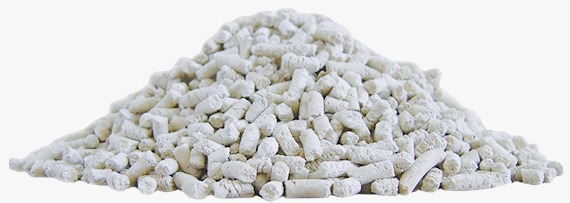
ECO PAPER pellets are produced by pelletizing — a process that molds the molten composite into small, uniform pellets. They are also made by pelletizing edge waste generated during manufacturing and printing processes. By reducing the amount of petroleum-based resin required compared to conventional plastics, ECO PAPER serves as a sustainable material that helps “reduce plastic and save trees.”
Closing the Loop: Recycling the ECO Way
Post-consumer ECO PAPER products are upcycled into plastic alternatives, as ECO PAPER partners with companies to promote circular recycling and a greener future.
The Future Belongs to ECO PAPER
A Dubai Executive Council survey found that 100% of businesses support either banning single-use bags or introducing charges — showing strong commitment to sustainability.
A survey showed that about 85% of the Emirate’s residents support the initiative — a clear sign of commitment to sustainability.
Nearly half of respondents said they separate waste at home — showing growing awareness of sustainability.
This came as the Executive Council approved a policy to limit the use of single-use bags.
*As of July 1, 2022, single-use bags are subject to a 25 fils charge in stores across the Emirate. The fee also applies to restaurants, pharmacies, and e-commerce deliveries. *